
What you'll learn
Identify at least 3 items in their own "hope first aid kit."
Practice at least two interventions that promote genuineness and can be taught in training or used in helping sessions.
Differentiate between fixing-reflex responses and autonomy-supportive responses in client interactions and apply the ask-offer-ask technique when sharing information or suggestions.
Program will be recorded for on-demand viewing.
Meet the speakers
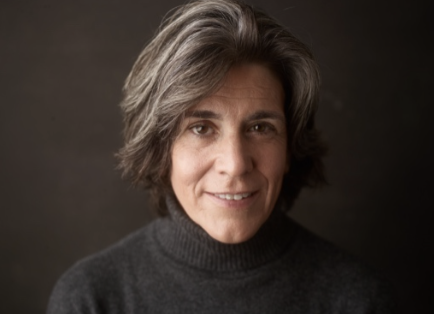
Kristen Dempsey
California, USA Kristin Dempsey is a psychotherapy, trainer, and counselor educator in the San Francisco Bay Area. She has over 30 year’s experience working with individuals, youth, and families with challenging behavioral issues that impact their lives such as substance use disorders, co-occurring mental health and substance use disorders, trauma symptoms, and unresolved grief. Kristin believes that each individual has unlimited ability to change and grow, and she enjoys exploring the complexities of complex challenges and how to approach them with compassion and curiosity. Kristin has taught many classes in the counselor education curriculum, and she is currently focused on practitioner skill development, substance use disorder treatment, and effective practices in community mental health. Kristin is a member of the Motivational Interviewing Network of Trainers (MINT), and she currently teaches motivational interviewing to behavioral health and other allied human services professionals. She is an adjunct professor at the Wright Institute’s Counseling Psychology Program and lecturing faculty at San Francisco State University. Kristin is the author of The Harm Reduction Workbook for Addiction (New Harbinger, 2024), co-author of Advancing Motivational Interviewing: An Experiential Skills Guide for Mental Health Professionals (PESI, April 2026), and a writer for The Mental Health and Substance Use Recovery Workbook (New Harbinger, May 2027).

Ali Hall
California, USA Ali Hall is a member of the Motivational Interviewing Network of Trainers (MINT), a MINT Certified Trainer, and an independent consultant and trainer. Ali currently serves as a Director Emeritus from the MINT Board of Directors where she focuses on professional skill development for MI practitioners and trainers. Ali led the 2025 MINT Training for Trainers (Canada, Virtual) and served as Lead Trainer in Canada (2023—Virtual), and in-person for Warsaw (2019), New Orleans (2018) and Berlin (2015), co-trainer in Atlanta (2014) and provided training team support in Fort Wayne (2012) and Sheffield (2011). Ali has designed and facilitated thousands of Motivational Interviewing (MI) workshops for a wide variety of providers, including those who serve within criminal justice systems, behavioral health, substance use recovery, mental health, health care, children/family services and wraparound. Ali also provides training for trainers in several evidence-based practices. Ali regularly provides skill development coaching for interdisciplinary provider teams. Ali is the co-developer of the Motivational Interviewing Competency Assessment (MICA), a coding and coaching tool for MI skill improvement, co-author of the book Motivational Interviewing for Mental Health Clinicians: A Toolkit for Skill Development (2021), developer of the Cultivating Hope activity deck (2025) and co-author of the forthcoming What’s the Problem? An Advanced Guide to Motivational Interviewing (2026).

Kris Kelly
Wisconsin, USA Kris Kelly is a Project Manager at the Great Lakes ATTC, housed within the University of Wisconsin-Madison. Drawing on more than a decade of experience in the recovery field, Kris specializes in designing and implementing strategies that center the voices of people with lived experience — driving systems change, integrating peer services, advancing recovery-oriented practices, and facilitating Motivational Interviewing (MI) training across diverse settings. Kris brings particular depth to this work as a member of the Motivational Interviewing Network of Trainers (MINT) and continues to lead MI trainings for the Great Lakes ATTC that equip providers with person-centered, recovery-oriented skills.
Continuing Education credits available
This live virtual program is eligible for 2.0 APA Continuing Education (CE) credits. To receive APA CE credits, participants must attend the full 2.0-hour program and complete the required program evaluation. Partial credit will not be awarded. The Motivational Interviewing Network of Trainers,Inc, is approved by the American Psychological Association to sponsor continuing education for psychologists. The Motivational Interviewing Network of Trainers, Inc, maintains responsibility for this program and its content.