
APA Continuing Eduation
This live virtual program is eligible for APA Continuing Education (CE) credits. To receive APA CE credits, we have divided up the CEs per day (over 3 days). Participants must attend each full day program, complete the required program evaluation, and submit additional fee as noted below: Day 1 - 6.0 hours = $20 USD additional fee Day 2 - 6.0 hours = $20 USD additional fee Day 3 - 6.0 hours = $20 USD additional fee Partial credit for each day will not be awarded each day. The Motivational Interviewing Network of Trainers,Inc, is approved by the American Psychological Association to sponsor continuing education for psychologists. The Motivational Interviewing Network of Trainers, Inc, maintains responsibility for this program and its content.
Day 1, Session #1 4:00 PM - 5:30 PM UTC on 6 April 2026
Objective #1: Participants will be able to demonstrate at least two MI-consistent summary statements in response to an adversity narrative that avoid advice-giving, problem-solving, or other fixing-reflex behaviors during a structured practice exercise.
Objective #2: Participants will be able to identify and reflect at least two expressions of strength, resilience, or adaptive coping embedded within an adversity-based narrative during a role-play or small group activity.
Objective #3: Participants will be able to articulate at least one personal learning insight and one specific recommendation for improving the exercise through structured written or verbal feedback at the conclusion of the session.
30 Minute Break at end of session 5:30 PM - 6:00 PM UTC
Guiding Novice Practitioners in Evoking Strengths from Tales of Adversity
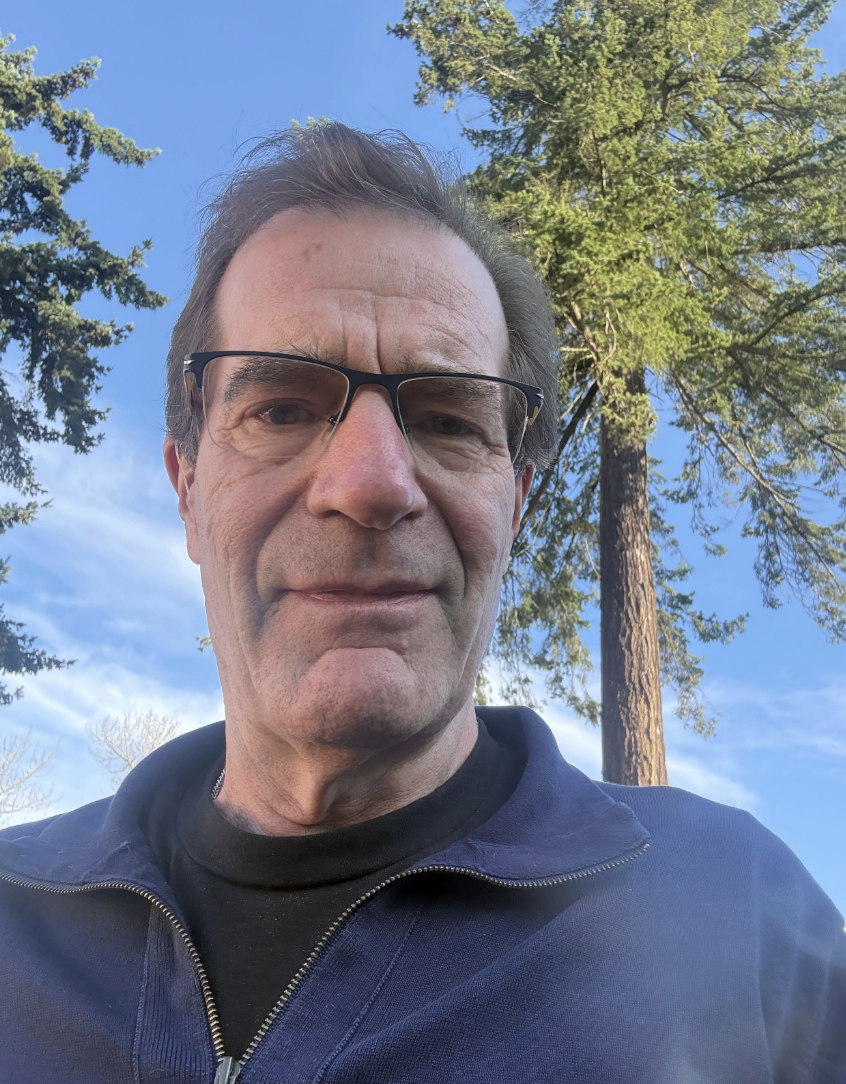
Chris Dunn
Member of MINT & co-facilitator
.

Tim Godden
Member of MINT & co-facilitator
Summary: This interactive workshop will teach a 15-minute storytelling exercise to build deep listening and MI-consistent summarizing skills in novice paraprofessionals. Participants listen silently to a 3-minute story, offer a 2-minute plot summary highlighting strengths, then receive feedback from the storyteller. The workshop includes demonstration, practice, and debrief, focusing on resisting the fixing reflex and evoking resilience.
Day 1, Session #2 6:00 PM - 7:30 PM UTC on 6 April 2026
Objective #1: Participants will be able to demonstrate staying centered and curious (rather than defensive or corrective) when engaging with someone who pursues their values in ways that significantly differ from their own approach during practice conversations.
Objective #2: Participants will be able to demonstrate the "yielding technique" - affirming the other person's autonomy and taking a "not knowing everything" position when faced with polarized content, creating space for genuine dialogue rather than debate.
Objective #3: Participants will be able to identify and hold onto their own humanity when triggered by different ways of pursuing values, recognizing their own polarized responses and returning to curiosity about the other person's path rather than judgment.
30 Minute Break at end of session 7:30 PM - 8:00 PM UTC
MI with Politically Polarized Clients: Reaching for Humanity
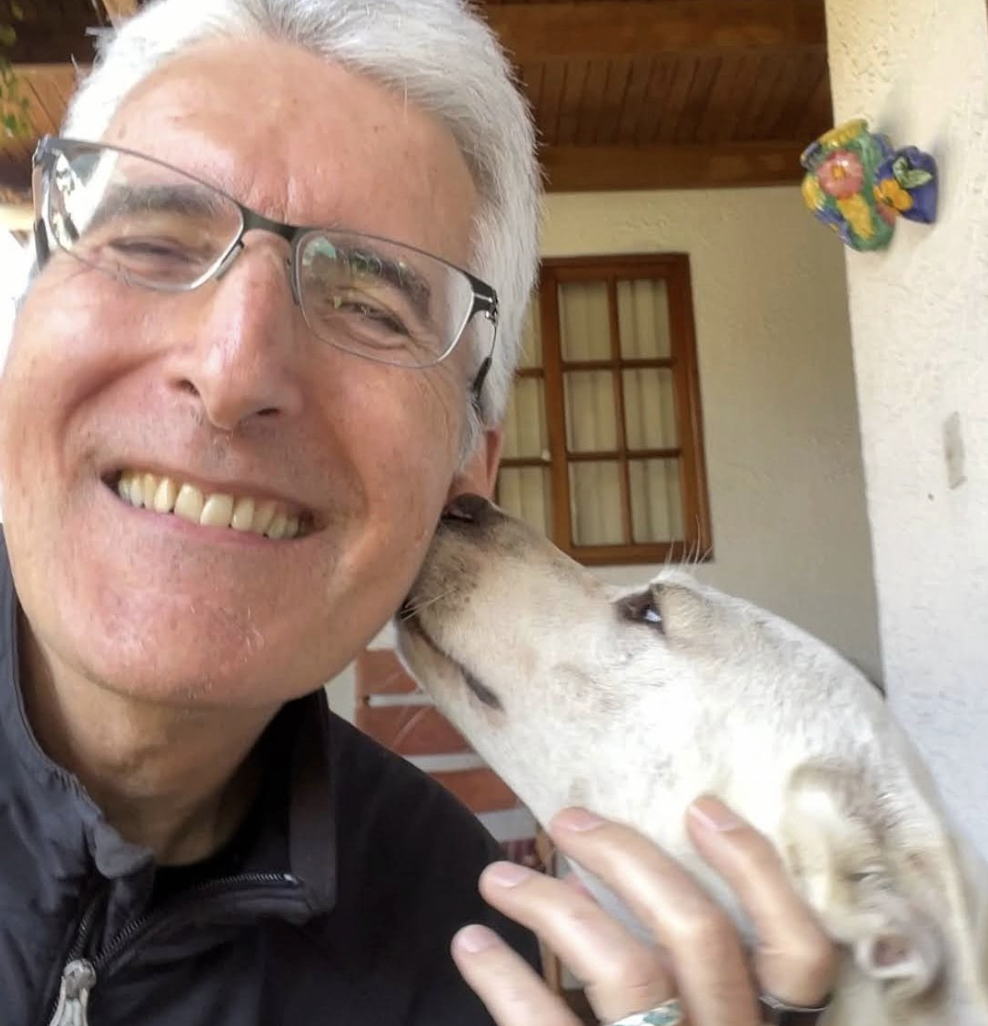
Sky Kershner
Member of MINT & facilitator
Summary: In this workshop, we will explore how to converse with a person who expresses their values differently from us. Whether dealing with Uncle Jerry at Thanksgiving or a client with strong beliefs, how do we stay centered and avoid getting hooked into a tug-of-war argument? This workshop will focus on internal capacity-building: how to not “other” the other; how to reach for the humanity underneath their polarized position; and how to hold onto the humanity underneath our own positions. We will draw on examples from MI Spirit, Non-Violent Communication, and the work of Braver Angles. The workshop will include a video demonstration, a video interview with Bill Miller, and a practice session.
Day 1, Session #3 8:00 PM - 9:30 PM UTC on 6 April 2026
Objective #1: Participants will be able to describe at least two experiential and participant-centered facilitation strategies and demonstrate one strategy during a structured practice activity.
Objective #2: Participants will be able to identify the stages of group development and apply at least one stage-specific training strategy when designing a brief training outline.
Objective #3: Participants will be able to demonstrate at least two hands-on or online engagement tools during a practice activity and explain how each supports participant learning.
30 Minute Break at end of session 9:30 PM - 10:00 PM UTC
Creating Fun & Engaging Virtual MI Trainings

Connie Herman
Member of MINT & co-facilitator
.

Robyn Michon
Member of MINT & co-facilitator
Summary: This interactive workshop explores effective facilitation in virtual MI trainings. Participants examine group development stages, trainer roles, and strategies to ensure safety and engagement. Through hands-on activities and online tools, attendees practice experiential, participant-centered approaches and design engaging, impactful trainings that foster connection and learning.
Day 1, Session #4 10:00 PM - 11:30 PM UTC on 6 April 2026
Objective #1: Participants will be able to identify and describe at least two behavioral or verbal indicators associated with polyvagal states (safety, mobilization, shutdown) during a recorded or simulated MI interaction.
Objective #2: Participants will be able to demonstrate at least two MI-consistent strategies (e.g., reflections, affirmations, pacing adjustments) that support nervous system regulation and relational safety during a structured role-play scenario.
Objective #3: Participants will be able to formulate and deliver at least one reflection, one question, and one affirmation that honor client autonomy while responding to expressions of shame or dissociation in a practice exercise.
End of Programming for Day 1
When MI Gets Stuck: A Polyvagal Lens on Shame, Dissociation, and Ambivalence

Darlene Brace
Member of MINT & facilitator
Summary: This interactive workshop explores how nervous system states—safety, mobilization, and shutdown—affect engagement and momentum in MI conversations. Using a polyvagal lens, participants learn to recognize shame, threat, or dissociation as shifts in regulation rather than resistance. Through experiential practice, attendees apply MI-consistent strategies that support safety, autonomy, and renewed movement in stuck conversations.
Day 2, Session #1 1:00 PM - 2:30 PM UTC on 8 April 2026
Objective #1: Participants will be able to describe at least three core elements of Motivational Interviewing (e.g., spirit, principles, evidence base) and explain one way MI-informed leadership can influence staff engagement, retention, or burnout.
Objective #2: Participants will be able to analyze a current supervisory interaction (real or case-based) and identify at least two examples of MI-consistent or MI-inconsistent communication strategies.
Objective #3: Participants will be able to identify two areas within their supervisory practice for increased use of MI-consistent communication and develop 1–2 specific, measurable action steps to implement these changes.
30 Minute Break at end of session 2:30 PM - 3:00 PM UTC
Leading Change through MI

Christine Powers
Member of MINT and facilitator
Summary: This interactive workshop equips leaders to apply Motivational Interviewing (MI) as an evidence-based supervisory approach that strengthens staff engagement, development, and retention. Participants explore MI’s core philosophy, spirit, and research base, then examine how MI-informed leadership enhances communication, reduces burnout, and builds stronger supervisor–staff relationships. Through reflection and practical exercises, attendees identify concrete steps to integrate MI into their supervision practice.
Day 2, Session #2 3:00 PM - 4:30 PM UTC on 8 April 2026
Objective #1: Participants will be able to describe at least three elements of the Spirit of Motivational Interviewing (e.g., humility, compassion, acceptance, trustworthiness) and explain how these elements are expressed in observable clinician behaviors.
Objective #2: Participants will be able to identify at least one personal factor (e.g., attachment to outcomes, visible change) that influences their helping stance and articulate one strategy to maintain MI-consistent presence when these reactions arise.
Objective #3: Participants will be able to demonstrate at least two MI-consistent behaviors (e.g., reflective listening, affirmations, autonomy-supportive statements) during a structured practice exercise that convey patience, presence, and relational safety.
30 Minute Break at end of session 4:30 PM - 5:00 PM UTC
The Art of Helping: Embracing Humility & Trust in the Spirt of MI
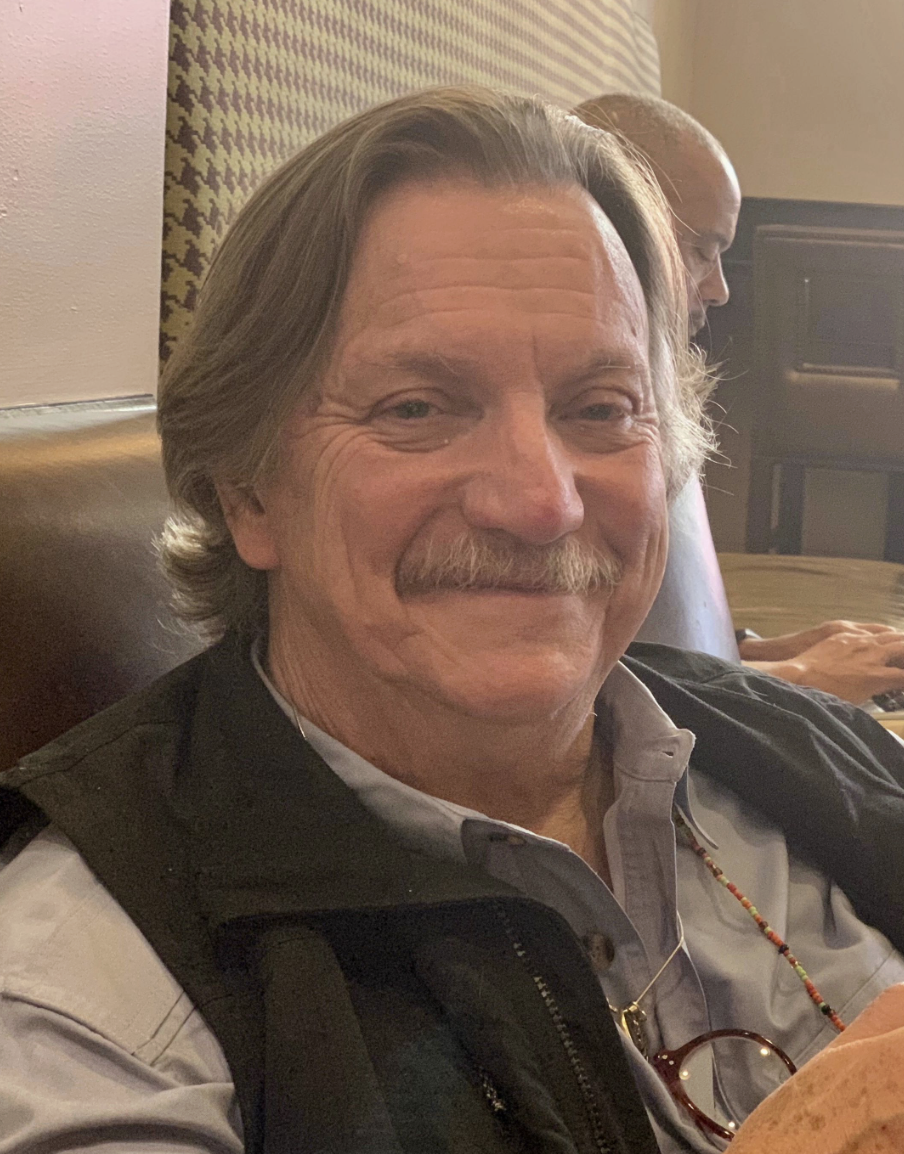
Stephen Andrew
Member of MINT & facilitator
Summary: If the client doesn’t change, are you still a helper? This session explores helping as a way of being rather than an outcome, grounded in the Spirit of Motivational Interviewing. Participants reflect on showing up with humility, compassion, and respect for autonomy—without attachment to recognition or visible results. Through dialogue and reflection, we renew commitment to presence, collaboration, and trust, remembering we are responsible for how we help, not the outcomes.
Day 2, Session #3 5:00 PM - 6:30 PM UTC on 8 April 2026
Objective #1: Participants will be able to identify at least two opportunities within MI curriculum development where AI tools can be used to enhance efficiency or instructional design.
Objective #2: Participants will be able to generate a draft MI training activity, case scenario, or exercise using an AI tool and revise it to align with MI principles during a structured practice activity.
Objective #3: Participants will be able to analyze at least two AI-generated outputs and identify specific elements that are MI-consistent and at least one element requiring revision.
Summary: This session introduces practical ways MI trainers can use Artificial Intelligence to design engaging, practice-focused learning while preserving the human connection central to Motivational Interviewing. Participants will see demonstrations of AI-generated scenarios, exercises, and curriculum tools, and receive sample prompts and a replicable process for immediate use. Emphasis is placed on thoughtful, ethical integration that keeps people—not technology—at the center of MI training. 30 minute break at end of session 6:30 PM - 7:00 PM UTC
Leveraging AI for MI Training: Tools and Skills Practice

Amanda Gabarda
Member of MINT & co-facilitator

Renee Greenwald
Member of MINT & co-facilitator

Indira Stokes
Member of MINT & co-facilitator
Day 2, Session #4 7:00 PM - 8:30 PM UTC on 10 April 2026
Objective #1: Participants will be able to describe the four components of Tara Brach’s RAIN practice and explain how each component supports self-compassion and self-acceptance.
Objective #2: Participants will be able to demonstrate at least one strategy for applying the RAIN framework to pause and reduce the fixing reflex during a structured MI practice scenario.
Objective #3: Participants will be able to identify and demonstrate at least two ways the RAIN practice can be integrated into MI skills (e.g., empathic reflections, open-ended questions, autonomy-supportive statements, eliciting change talk) during a role-play or case-based exercise.
End of Programming for Day 2
Radical Acceptance, Compassion and MI

Sylvie Spirou
Member of MINT & facilitator
Summary: This workshop explores radical self-acceptance and the change process through Tara Brach’s evidence-informed RAIN practice. Participants learn RAIN as a tool for self-compassion and as a framework to deepen Motivational Interviewing practice. The session highlights how RAIN supports resisting the fixing reflex, strengthening empathy, practicing pause, asking open questions, exploring values, emphasizing autonomy, and evoking change talk.
Day 3, Session #1 9:00 AM - 10:30 AM UTC on 10 April 2026
Objective #1:Participants will be able to identify at least two similarities and two differences between bereavement care and trauma-informed care and describe how these distinctions influence clinical decision-making.
Objective #2: Participants will be able to describe at least one cross-cultural consideration that impacts trauma or bereavement care and summarize one challenge identified through group discussion or case examples.
Objective #3: Participants will be able to demonstrate at least two MI-consistent responses (e.g., reflections, affirmations, autonomy-supportive statements) tailored to either bereavement or trauma care scenarios during a structured practice exercise.
30 minute break at end of session 10:30 AM - 11:00 AM UTC
Exploring the Difference Between Trauma & Grief Interventions
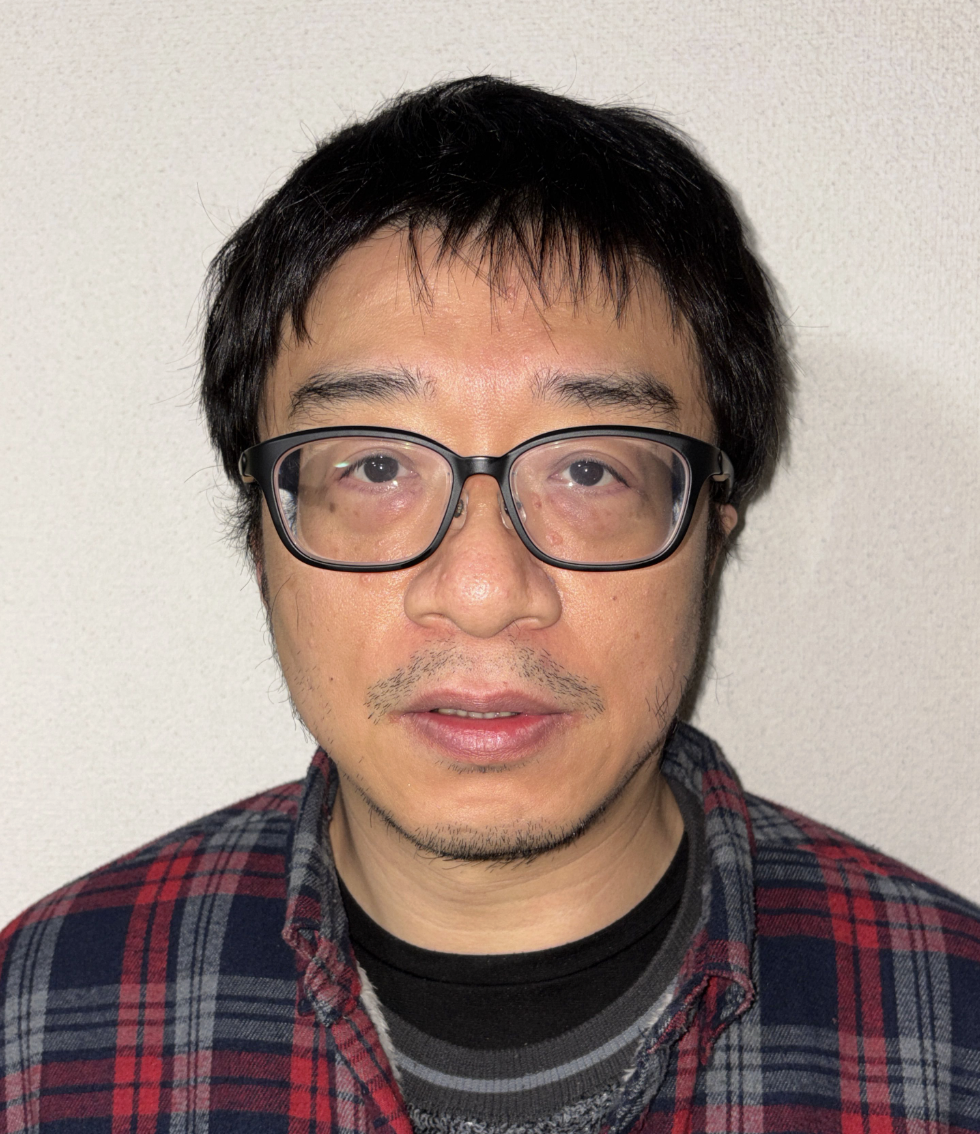
Yoshiki Aoki
Member of MINT & facilitator
Summary: This session explores how to listen deeply to clients’ traumatic or bereavement stories through an MI lens. Rather than focusing on diagnoses, participants examine shared and distinct elements of trauma and grief, engage in cross-cultural dialogue, and reflect on how to weave compassionate, effective responses grounded in MI spirit and care.
Day 3, Session #2 11:00 AM - 12:30 PM UTC on 10 April 2026
Objective #1: Les participant·e·s seront en mesure de décrire au moins deux hypothèses motivationnelles expliquant l’angoisse existentielle comme rupture du lien aux valeurs et aux sources d’engagement.
Objective #2: Les participant·e·s seront en mesure d’identifier au moins deux composantes du cadre intégratif présenté (entretien motivationnel, ACT, psychologie positive) et d’expliquer leur contribution à la remobilisation du client.
Objective #3:Les participant·e·s seront en mesure de formuler et démontrer au moins une intervention clinique intégrant l’entretien motivationnel et une approche de troisième vague (p. ex., clarification des valeurs, acceptation, question ouverte orientée vers l’engagement) dans un exercice pratique ou une vignette clinique.
30 minute break at end of session 12:30 PM - 1:00 PM UTC
Perte de sens : une approche motivationnelle intégrative (workshop offered in French)

Emeric Languérand
Member of MINT & facilitator
Summary: Les angoisses existentielles, souvent invisibles dans les cadres diagnostiques traditionnels, sont fréquemment confondues avec la dépression. Cette intervention propose une lecture motivationnelle : et si elles signalaient une rupture avec ses valeurs et sources d’engagement ? Un cadre intégratif combinant entretien motivationnel, ACT et psychologie positive est présenté pour raviver l’élan de vie.
Day 3, Session #3 1:00 PM - 2:30 PM UTC on 10 April 2026
Objective #1: Participants will be able to demonstrate at least two MI-consistent strategies for eliciting and exploring client ambivalence during a structured role-play or case-based exercise.
Objective #2: Participants will be able to use at least one decisional balance or values-based exploration strategy to help a client articulate unmet needs related to ambivalence in a simulated scenario.
Objective #3: Participants will be able to demonstrate at least two observable behaviors (e.g., complex reflections, affirmations, non-judgmental language) that convey compassion and acceptance toward conflicting parts of a client during a practice exercise.
30 minute break at end of session 2:30 PM - 3:00 PM UTC
The ABC of Befriending and Benefitting from Ambivalence
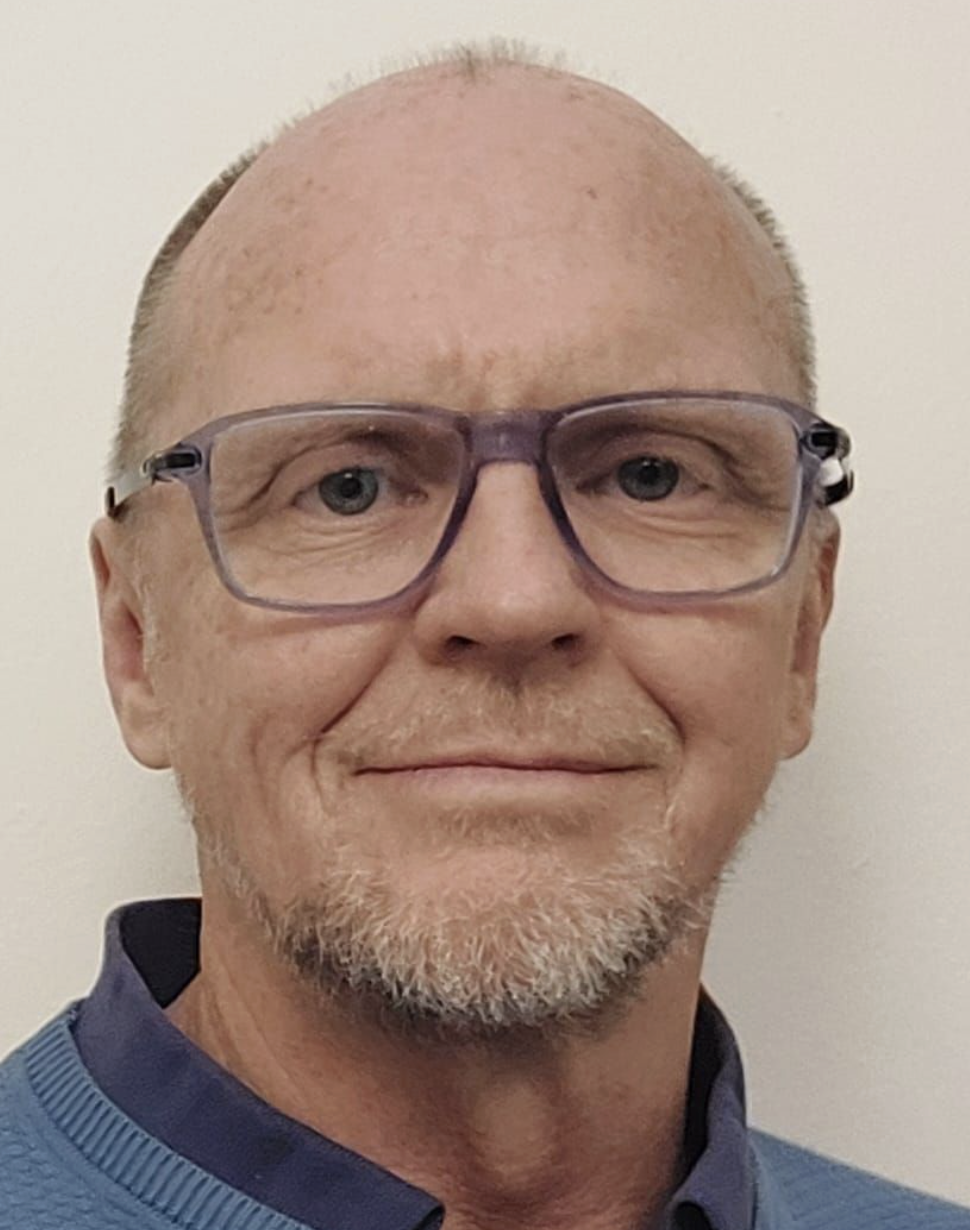
Graeme Horridge
Member of MINT & facilitator
Summary: This workshop challenges the “right vs. wrong” view of ambivalence that pressures quick resolution. Instead, it offers a simple ABC approach—Accepting ambivalence, Boosting understanding of true needs, and Choosing change compassionately. Participants learn to welcome ambivalence, guide clients toward deeper need satisfaction, and model genuine compassion for all parts of the person.
Day 3, Session #4 3:00 PM - 4:30 PM UTC on 10 April 2026
Objective #1: Participants will be able to identify and describe at least five non–Twelve-Step recovery programs or communities, including one distinguishing feature and one client-fit consideration for each.
Objective #2: Participants will be able to demonstrate MI-consistent presentation of recovery options by producing two example statements that include: (a) an autonomy-supporting permission statement, (b) a neutral description of options, and (c) a collaboratively defined next step.
Objective #3: Participants will be able to develop a brief written implementation plan that includes three specific actions to integrate alternative recovery pathways into their setting (e.g., updated resource list, referral workflow, staff skill-building step) and a timeline for completion within 30 days.
End of 2026 Virtual MINT Forum
Revisiting MI in Addiction Care: Moving Beyond Reliance on Twelve-Step Programs
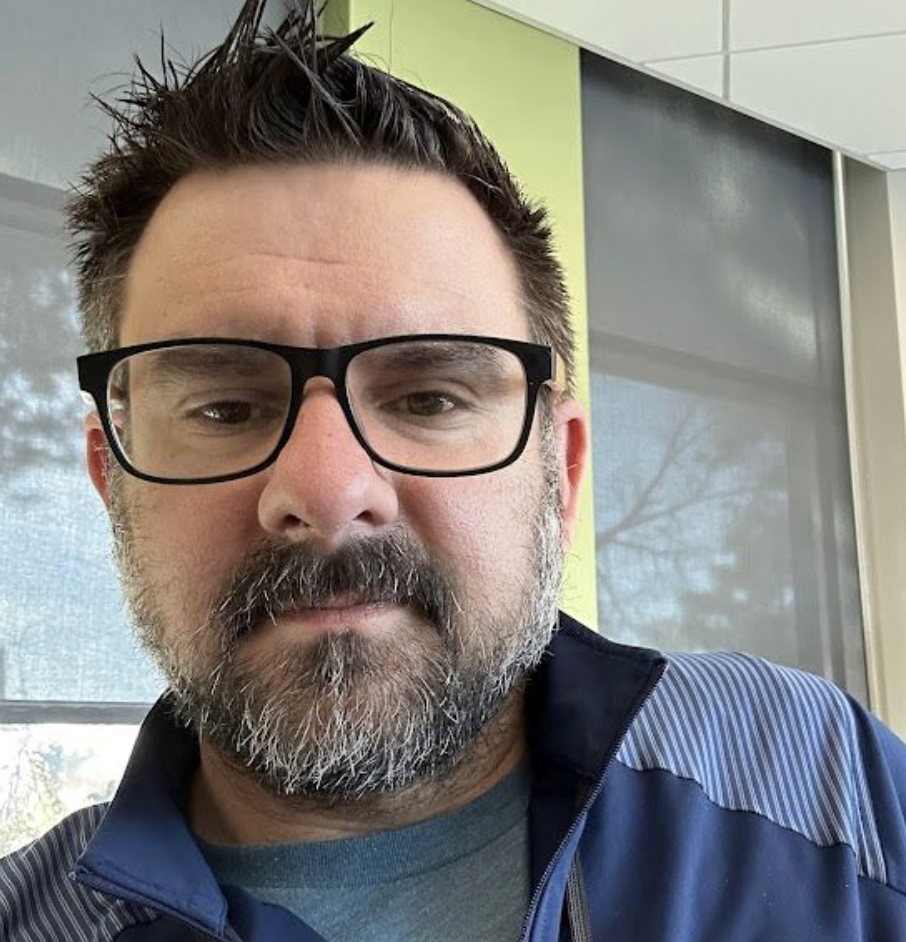
Ryan Paul Carruthers
Member of MINT & facilitator
Summary: This session explores how MI can broaden addiction recovery beyond default Twelve-Step referrals. Grounded in MI spirit and process, participants review alternative recovery programs and learn person-centered, non-prescriptive ways to present options—including MOUD pathways. Attendees leave with practical language, strategies to support autonomy and fit, and a 30-day plan to expand referral practices and engagement.
What is MINT?
The Motivational Interviewing Network of Trainers (MINT) is an international organization of trainers in motivational interviewing, incorporated as a 501(c)(3) tax-exempt non-profit charitable organization in the state of Virginia, USA. The trainers come from diverse backgrounds and apply Motivational Interviewing in a variety of settings. Their central interest is to improve the quality and effectiveness of counseling and consultations with clients about behavior change. Started in 1997 by a small group of trainers trained by Dr. William R. Miller and Dr. Stephen Rollnick, the organization has since grown to represent over 41 countries and more than 30 different languages.